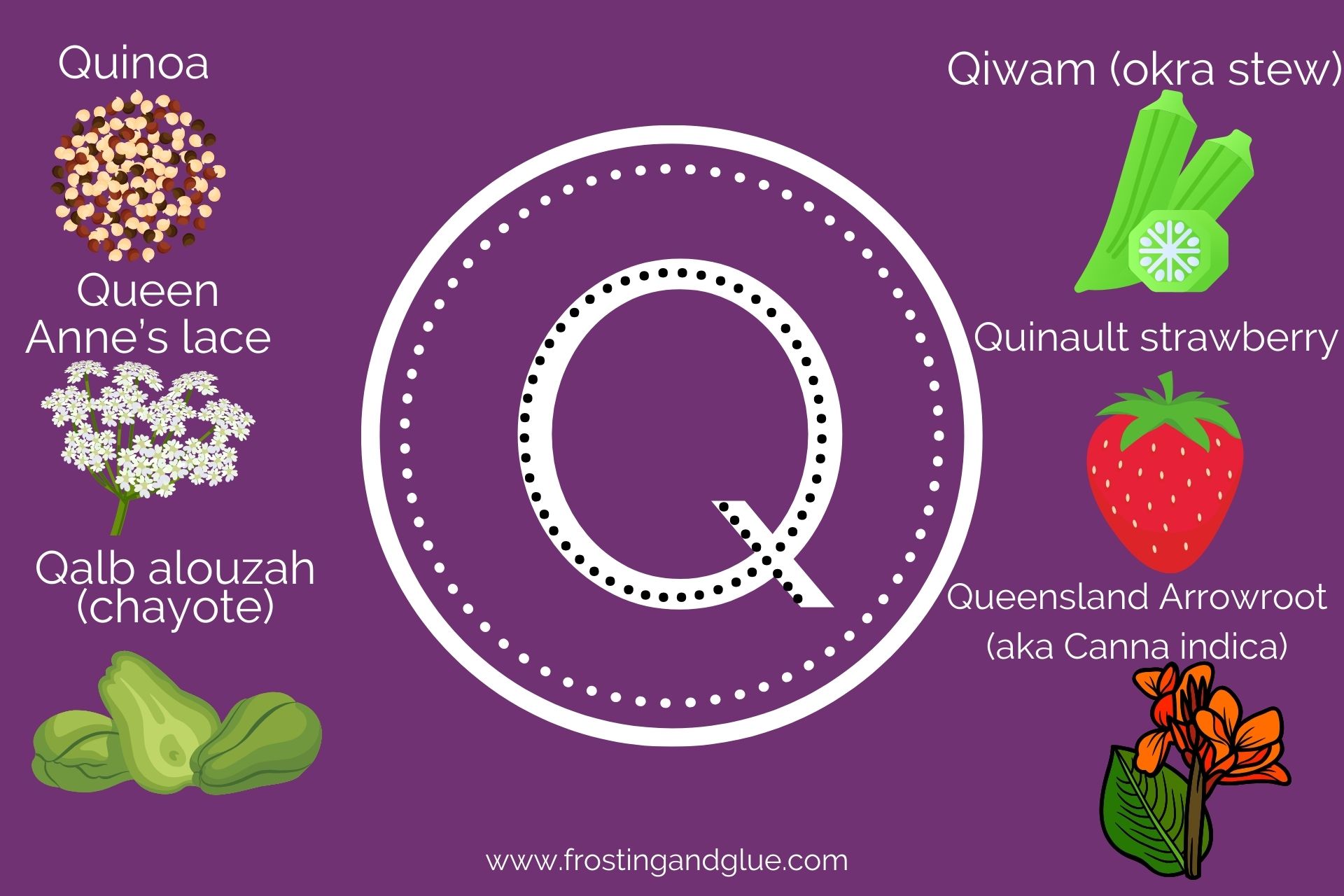
The Elusive "Q": Unearthing Vegetables That Start with Q
Embarking on a culinary quest to find vegetables that start with Q often leads to a delightful dance between botanical definitions and everyday kitchen practices. Unlike letters like 'C' or 'P' that boast an abundance of common garden produce, 'Q' presents a unique challenge, making its entries all the more intriguing and valuable for the adventurous eater. This article aims to unearth these rare gems, exploring not just what fits the bill, but also why expanding our palate to include less common ingredients can enrich our health and culinary experiences. If you're passionate about discovering unique foods and diversifying your diet, this journey into the world of 'Q' vegetables will surely inspire you. Our ongoing exploration of unusual produce continues, much like the insights you might have found in vegetables that start with q - Article 1 and vegetables that start with q - Article 2.
Quinoa: A Culinary Chameleon (Often Embraced Like a Vegetable)
Perhaps the most widely recognized item that comes to mind when considering vegetables that start with Q is Quinoa. However, it's crucial to clarify its botanical identity: quinoa is technically a pseudocereal, a seed that is prepared and eaten much like a grain. Despite this, its nutritional profile and culinary versatility often place it firmly in the category of healthy plant-based foods, frequently served alongside or as a component of vegetable dishes, making it a staple in many vegetarian and vegan diets.
Originating from the Andean region of South America, quinoa has been a sacred food for thousands of years. It stands out as one of the few plant foods that are considered a complete protein, containing all nine essential amino acids. Beyond its protein content, quinoa is a powerhouse of fiber, magnesium, B vitamins, iron, potassium, calcium, phosphorus, and vitamin E. Its mild, nutty flavor and slightly chewy texture make it an excellent substitute for rice or couscous, or a robust addition to salads, soups, and even breakfast bowls.
Tips for Enjoying Quinoa:
- Rinse Thoroughly: Always rinse quinoa before cooking to remove saponins, a natural coating that can give it a bitter taste.
- Perfect Ratio: Use a 1:2 ratio of quinoa to water (or broth) for fluffy results. Bring to a boil, then simmer covered for 15 minutes, letting it rest for 5 minutes off the heat.
- Versatile Base: Use cooked quinoa as a base for vibrant grain bowls, mix it into vegetable patties, or add it to stuffed bell peppers.
- Flavor Boost: Cook quinoa in vegetable broth instead of water for an extra layer of flavor. Add herbs like parsley or cilantro after cooking for freshness.
Quelites: The Rich Tapestry of Mexican Edible Greens
Another fascinating entry in our list of vegetables that start with Q is Quelites. This term, prominent in Mexican cuisine, isn't a single plant but rather a collective name for various edible wild or semi-cultivated greens. It refers to a diverse array of young, tender leaves, shoots, and flowers that grow naturally and are harvested for consumption. While the individual plants themselves (such as lamb's quarters, amaranth greens, purslane, papalo, or epazote) may not start with 'Q', the overarching category and the cultural practice of gathering and consuming these traditional greens certainly does. This highlights how cultural terms can expand our understanding of what constitutes a "vegetable."
Quelites are celebrated for their distinctive flavors, ranging from earthy and slightly bitter to tangy and herbaceous, and for their significant nutritional value. They are often rich in vitamins (A, C, K), minerals (iron, calcium), and antioxidants, offering a valuable boost to the diet. For centuries, they have been a vital source of nutrition and flavor in Mexican cooking, reflecting a deep connection to the land and its seasonal bounty.
Culinary Uses of Quelites:
- Traditional Dishes: Quelites are frequently used in traditional Mexican dishes such as soups, stews, tamales, quesadillas, and salsas.
- Simple Preparations: Often simply sautéed with garlic and onion, then served as a side dish or mixed into scrambled eggs.
- Fresh in Salads: Younger, more tender quelites can be used fresh in salads, offering a unique flavor profile.
- Flavor Enhancer: Certain quelites, like epazote, are specifically used for their intense flavor to season beans and other dishes.
Quandong: Australia's Savory "Native Peach" (Often Used Like a Vegetable)
Delving into more exotic territory, we encounter Quandong (Santalum acuminatum), sometimes referred to as the "native peach" of Australia. While botanically a fruit, its unique tart and savory-sweet flavor profile means it is often incorporated into dishes in ways that transcend typical fruit usage, lending itself to savory applications more akin to how some vegetables are used.
The quandong is a vibrant red fruit, about 2-3 cm in diameter, with a large central seed. It boasts an exceptionally high vitamin C content, along with antioxidants, iron, and dietary fiber. Its flavor is a complex blend of peach, apricot, and rhubarb, with a slight bitterness that makes it remarkably versatile. Indigenous Australians have utilized Quandong for thousands of years, both as a food source and for its medicinal properties.
Quandong in the Kitchen:
- Savory Chutneys and Sauces: The tartness of quandong makes it an excellent ingredient for chutneys and relishes, especially those paired with game meats or poultry.
- Gourmet Jams and Preserves: Its unique flavor elevates jams, pies, and tarts, offering a sophisticated twist on traditional fruit desserts.
- Dried Form: Dried quandongs can be rehydrated and used in cooking, or ground into a powder to flavor various dishes, including savory stuffings.
- Infusions: Its distinct taste can be used to infuse vinegars or oils, creating unique dressings for salads or marinades for vegetables.
Expanding Your "Q" Horizons: Why Rare Vegetables Matter
The journey to discover vegetables that start with Q highlights an important aspect of food exploration: going beyond the familiar. While the list of common 'Q' vegetables might be short, the items we've discussed – Quinoa, Quelites, and Quandong – demonstrate the incredible diversity and culinary potential that exists if we're willing to look a little closer or redefine our categories slightly. Embracing such unique ingredients offers several benefits:
- Nutritional Diversity: Each less common food brings a new array of vitamins, minerals, and phytonutrients to your diet, contributing to better overall health.
- Expanded Palate: Trying new flavors and textures broadens your culinary horizons and makes eating an adventure.
- Support for Biodiversity: Exploring and demanding niche ingredients can help support sustainable farming practices and preserve agricultural biodiversity.
- Cultural Connection: Many rare vegetables are staples in specific cultures, offering a delicious way to connect with global culinary traditions.
Don't be discouraged by the seeming scarcity of 'Q' vegetables. Instead, let it inspire a deeper dive into the vast world of edible plants. You might find that some of the most rewarding culinary experiences come from experimenting with the less obvious choices.
Embracing Culinary Curiosity with Q-Starting Produce
Our quest for vegetables that start with Q underscores the notion that sometimes, the most interesting discoveries lie just beyond the conventional. Whether it's the complete protein power of quinoa, the rich cultural heritage embodied by quelites, or the distinctive savory-sweet profile of quandong, these items invite us to reconsider our definitions and expand our culinary repertoire.
While the 'Q' list may not be as long as some, it certainly makes up for it in unique character and nutritional punch. So, next time you're planning your meals, dare to be curious. Seek out these special ingredients, experiment with their flavors, and bring a touch of the extraordinary to your everyday cooking. Your palate, and your health, will thank you for it.
